
Student scientists – plastic in albatross diet
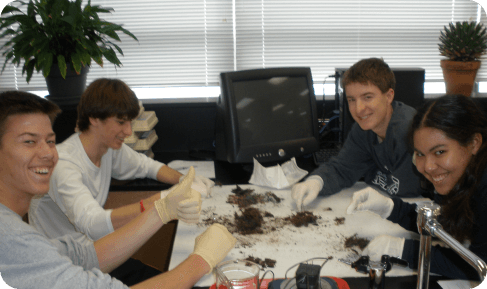
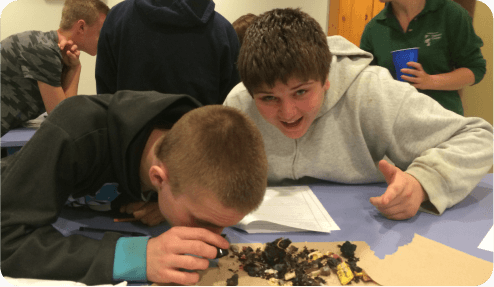
Ocean pollution continues to be a global problem for ecosystems and humankind. The Student Scientist Albatross Bolus Program is unique in the world as grades 6 – 12 contribute to a marine debris research project by dissecting real “boluses” thrown up by seabirds from the remote Hawaiian Islands. Albatrosses, charismatic and threatened seabirds, are ambassadors for a clean ocean because they traverse vast oceanic regions searching for floating food. Along their journeys, albatross ingest plastic trash and feed it to their chicks. As part of the digestive process, the chicks throw up pellets, known as “boluses” to rid themselves of squid beaks and alarmingly, our plastic trash. Exploring the contents of albatross boluses has proven to be an impactful and often life-changing experience. Students are confronted with human impacts to wildlife and challenged to make changes in their lives. Even students that live far from the ocean are interested and feel empathy for the large majestic albatrosses.
Students quantify what was in the chick stomachs and send their results through the Data Submission Portal.
This portal enables student scientists to contribute to a long-term marine debris research project. These data are valuable to track the plastic composition in the hundreds of boluses that are distributed each year, and present a unique opportunity for students and educators to contribute to research in the Northwestern Hawaiian Islands. This is part of a broader Winged Ambassadors STEM curriculum program that has been used by over 5,300 teachers in 38 countries.
Participate in the program
Program Review:
We’d love to hear what you think about our Student Scientist Albatross Bolus Program. Please take a few minutes to complete this survey.

Partners and Funders:
Kure Atoll Conservancy, State of Hawaii DLNR-DOFAW, ‘Iolani School, Dr. Yvonne Chan, Clif Bar Family Foundation.
Related Species

Wedge-tailed Shearwater
Wedge-tailed Shearwater This oceanic seabird often feeds with tuna schools and serves as an important sign of ocean health in the warm waters of the...

Black-footed Albatross
Black-footed Albatross A charismatic ambassador for ocean stewardship, this species travels vast distances to forage and encounters many threats...
Related Projects
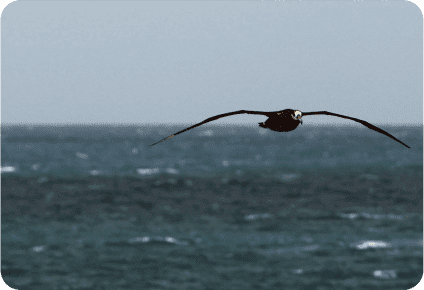
Plastic in the food webs: tunas and emerging species
Plastic in the food webs: tunas and emerging speciesOikonos initiated the Biological Indicators of Ocean Plastic Pollution (BIOPs) Network to study...
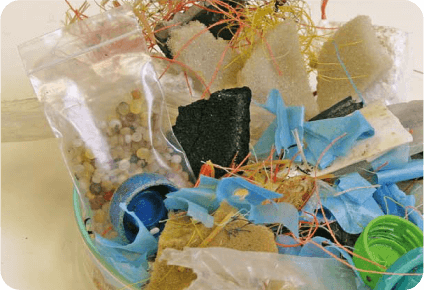
Tracking Marine Plastic Pollution: Is it increasing?
Tracking Marine Plastic Pollution: Is it increasing?The Biological Indicators of Ocean Plastic Pollution (BIOPs) program seeks to improve ocean...
Wedge-tailed Shearwater
Wedge-tailed Shearwater This oceanic seabird often feeds with tuna schools and serves as an important sign of ocean health in the warm waters of the...