
California: Año Nuevo Island
Oikonos works with a team of ecologists, habitat restoration experts, artists, designers and land managers to restore degraded nesting habitat for climate-threatened seabirds on California’s central coast.
A wildlife refuge teeming with life
Año Nuevo Island is located less than a mile offshore of the California coast, but is a world apart. This unique nearshore island refuge teems with wildlife, hosting over ten thousand breeding seabirds and thousands of elephant seals and sea lions each year. The largest seabird colony in the productive and biodiverse Monterey Bay, the island hosts seven species of breeding seabirds and shorebirds, many of which are “climate threatened.” Nesting seabirds are excellent indicators of ocean health, responding rapidly to changes in the marine environment. Over the last 100 years, the habitat on Año Nuevo Island has been degraded by human activities, including the introduction of non-native rabbits that decimated the native vegetation and created conditions for rapid soil erosion. Habitat loss and damage from erosion has particularly affected the breeding populations of Rhinoceros and Cassin’s Auklets on the island. Auklets nest in long underground burrows that are susceptible to crushing and collapse in the fragile sandy soil, especially when heavy sea lions walk over them. Working closely with design and restoration partners, we use innovative tools to address the threats that the island faces and restore and enhance habitat for all seabird species.

Helping seabirds thrive and training future ecologists
We developed sturdy ceramic artificial burrows that prevent burrow-crushing and keep temperatures cool as the climate warms. We also developed custom exclusion fencing that protected core auklet habitat from sea lions, resulting in a tripling of the populations of auklets and cormorants. Additionally, Año Nuevo Island’s accessibility provides a unique opportunity for hands-on training, and we have trained hundreds of early career ecologists and conservationists through our paid internship program.


Partners and Funding: Pt. Blue, California State Parks, UC Santa Cruz UC Natural Reserve System, Go Native, California College of the Arts, Nathan Lynch, Rebar, Friends of Santa Cruz State Parks
Indigenous land acknowledgement
Año Nuevo Island is part of the unceded territory of the Awaswas-speaking Quiroste tribe. Their contemporary descendents are the Muwekma Ohlone and the Amah Mutsun Tribal Band. You can support ongoing indigenous stewardship of these lands by donating to the Amah Mutsun Land Trust and the Muwekma Ohlone.
Other Initiatives

Educational resources
Educational resourcesThe following free resources were created with multiple partners and there is something for all ages.Learn about unique...
Seabird Working Groups
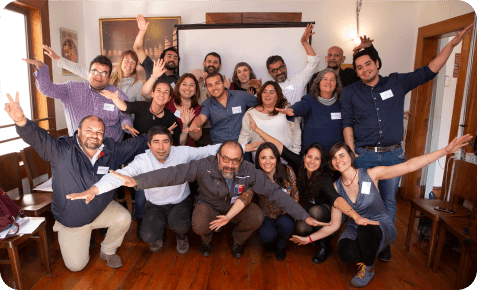
Seabird Working Groups The working groups are composed of scientists who advise national and international public agencies on the conservation...
Threatened Species Plans (RECOGE)
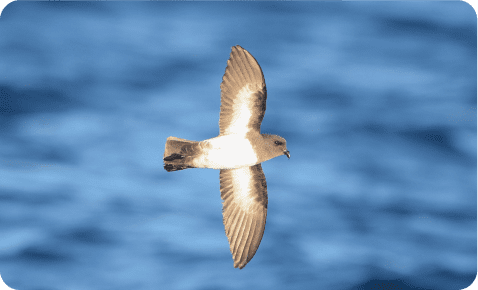
Threatened Species Plans (RECOGE)In Chile, the national action plan (RECOGE) is led by the Ministry of the Environment to contribute to the...

Habitat restoration
Habitat restorationHealthy plants and stable soil support healthy breeding birds and island ecosystems. Oikonos partners with restoration experts to...

Innovative nests
Innovative nests As climate change and human development degrade the quality and availability of breeding bird habitat, safe nesting sites for...

Año Nuevo Island
Oikonos works with a team of ecologists, habitat restoration experts, artists, designers and land managers to restore degraded habitat for nesting seabirds off the coast of central California.
More
