

Foto por Andrea Benvenuti
Individual actions have a greater impact on the collective than we often realize. Thanks to more than 9,000 people who took part in the public consultation, the Humboldt Penguin has now been declared a Natural Monument.
This historic level of citizen participation for a wildlife species demonstrates just how important this charismatic seabird is to people across Chile.
As the Manager of the Binational Conservation Project for the species, it truly warmed my heart to read so many messages and see so many people asking how they could take part. Most asked, “Where can we vote?”—and although it wasn’t technically a vote, it certainly felt like one.
People wanted to share their opinions, to be part of the process, to make a difference. That individual act, one that ultimately impacts the collective, is something that deeply motivates me. For that reason, I decided to draft a template letter that anyone interested could easily submit through the public consultation system.
The letter laid out the key arguments for why the Humboldt Penguin should be declared a Natural Monument, and we accompanied it with a simple, clear guide to make the process as easy as possible.
We launched this initiative together with Ladera Sur, which generously supported the effort and helped amplify the message among its community of more than 500,000 people. You can find Ladera Sur’s article here. Eduardo Donoso from @microydiversidad also joined the initiative.

Penguins are more sensitive than humans to ecosystem changes and can serve as early indicators when something is wrong. Photo by Héctor Gutiérrez Guzmán.
For Oikonos, this experience demonstrated the power of love for nature when it is transformed into collective action. Thanks to these partnerships, we were able to reach far more people motivated to participate than we could have through our own social media channels alone.
The declaration has now been approved. We are already celebrating the Humboldt Penguin as a Natural Monument, but one final step remains: the signature of the Comptroller General’s Office to formally ratify the designation. It is important to continue following the progress of this process until the protection is fully official.
The Humboldt Penguin is an emblematic species of the Humboldt Current system, one of the most productive marine ecosystems on the planet. Its conservation status reflects changes in food availability, fishing pressure, pollution, and human disturbance in coastal areas. For this reason, it is considered a sentinel species: when its populations decline, it signals that something is wrong with the health of the ocean.
Protecting the penguin is not only about conserving a charismatic species; it is about safeguarding the balance of marine ecosystems—systems on which coastal communities and many ocean-based livelihoods also depend.
The designation as a Natural Monument carries strong symbolic value, but it also creates concrete opportunities:
- Greater public and political visibility for the species.
- Prioritization of resources for research and conservation.
- Stronger environmental education efforts.
- Improved collaboration among institutions, organizations, and local stakeholders.
The effectiveness of this measure will now depend on how it is implemented in combination with other existing tools, such as the RECOGE Plan, the protection of nesting areas—some of which still lack safeguards—and collaborative work with coastal communities, authorities, and all those who, in one way or another, interact with Humboldt Penguins, even if they are not fully aware of it.
The challenge now is to turn this recognition into concrete actions that reduce threats, strengthen research, and encourage community participation. It is important to note that these measures are not accompanied by dedicated budgets for carrying out the necessary work, but they do increase the visibility and priority of projects related to the species’ conservation and the achievement of established goals.
The Humboldt Penguin populations face multiple threats, among which the most significant are:
- Bycatch in fisheries: Oikonos is currently conducting a pilot study in the Coquimbo region, working alongside gillnet and trammel net fishers to assess the impact of fishing and co-create mitigation measures.
- Reduced food availability: The Humboldt Penguin primarily feeds on sardines and anchovies—species in Chile largely used to produce fishmeal for aquaculture (for example, it takes 3 kilograms of fishmeal to produce 1 kilogram of salmon), as well as for poultry and livestock in other countries such as China.
- Disturbance in breeding colonies: Penguins are highly sensitive to human presence, so a minimum distance of 50 meters is recommended. Breeding colonies are affected by guano or algae extraction during reproductive seasons, intrusive tourism, and invasive species such as rabbits, which occupy burrows, and rats, which prey on eggs and chicks. Island Conservation currently runs an invasive species eradication program to protect penguins from these negative impacts.
- Emerging diseases and other environmental threats: Avian influenza, coastal and industrial development, marine pollution, and extreme climate events represent additional risks that must be considered when intervening near colonies. At Oikonos, we are launching a seabird stranding study project, which tracks the number of individuals washing up on shores and identifies causes—critical information for assessing ocean health.
This is my first blog, and I’m excited to share more about the Humboldt Penguin Project, our research on bycatch affecting seabirds, our work with local communities, and other topics that I hope will interest you and inspire you to continue participating in initiatives like the declaration we are celebrating today.
Is there a particular topic you would like me to cover in future posts? Follow us on Instagram @oikonos_org to stay updated on all our projects. And if you have any blog topic suggestions, feel free to send us a message!
Warm regards,
Verónica López, Project Manager at Oikonos
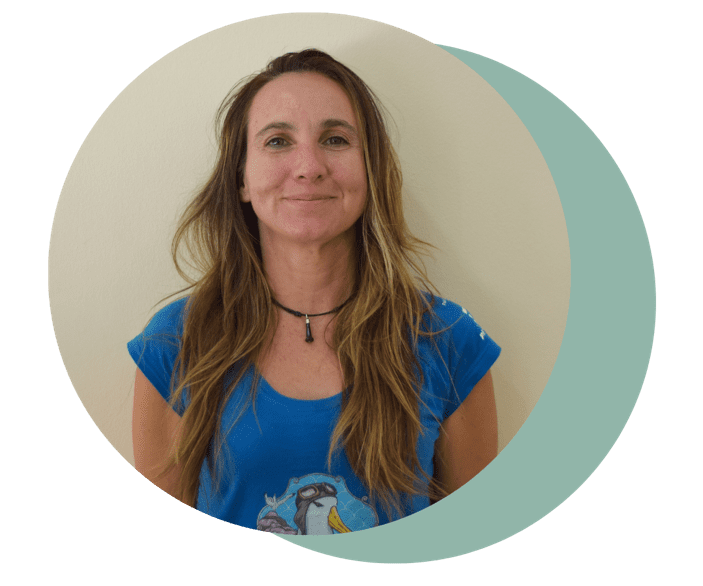
Written by: Verónica López
Edited by: Gabriela Lamanna
March 2nd, 2026