
Plastic in the food webs: tunas and emerging species
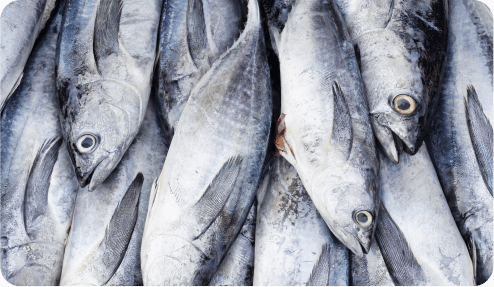
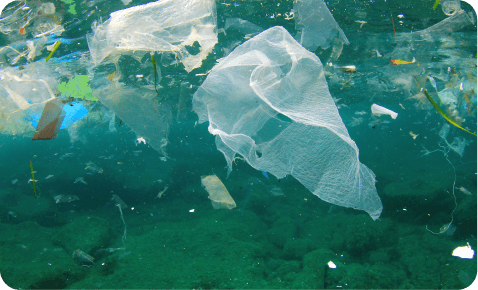
Oikonos initiated the Biological Indicators of Ocean Plastic Pollution (BIOPs) Network to study ocean pollution trends and impacts in marine animals. After documenting plastic ingestion by local predatory fishes in Hawaii, Oikonos is partnering with the Pelagicos Marine Science Lab (Dr. David Hyrenbach), tuna fisherman, and NOAA to study the flow of this pollution through the food web supporting island fisheries. Working with recreational and commercial fishers from Oahu, we are quantifying the prey and plastic ingested by skipjack tuna or aku. By adding a human-consumed tuna species to our suite of bioindicators, we seek to assess pollutants potentially affecting humans.
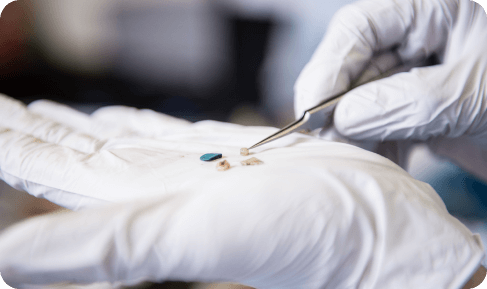
The collaborative team dissects skipjack tuna stomachs, sorts the dietary contents, and analyzes the ingested plastic and prey. We suspect smaller tunas are more likely to ingest plastic because they eat more crustaceans and forage closer to the surface than larger tunas. Due to skipjack having a tolerance for warming oceans, fast growth rates, and high fecundity, we expect this species to become even more economically valuable as a sustainable consumer choice.
Partners and Funders:
Hawaii Pacific University, Pelagicos Lab, Dr. David Hyrenbach, Oahu fishers, Marisla Foundation, NOAA.
Related Species

Wedge-tailed Shearwater
Wedge-tailed Shearwater This oceanic seabird often feeds with tuna schools and serves as an important sign of ocean health in the warm waters of the...

Black-footed Albatross
Black-footed Albatross A charismatic ambassador for ocean stewardship, this species travels vast distances to forage and encounters many threats...

Pink-footed Shearwater
Pink-footed Shearwater A remarkable seabird that travels thousands of kilometers across the Pacific Ocean, returning to just three Chilean islands...
Related Projects

Student scientists – plastic in albatross diet
Student scientists - plastic in albatross dietOcean pollution continues to be a global problem for ecosystems and humankind. The Student Scientist...
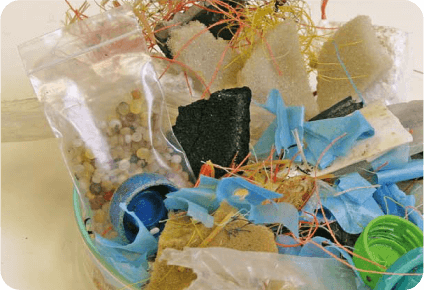
Tracking Marine Plastic Pollution: Is it increasing?
Tracking Marine Plastic Pollution: Is it increasing?The Biological Indicators of Ocean Plastic Pollution (BIOPs) program seeks to improve ocean...
Wedge-tailed Shearwater
Wedge-tailed Shearwater This oceanic seabird often feeds with tuna schools and serves as an important sign of ocean health in the warm waters of the...